Hawken Horse’s rendition of the traditional Johnny Has Gone For A Soldier is out.
The song’s origins date back to the 17th Century in Ireland, and it was brought across the sea by immigrants. It became popular during the American Revolution and was revived repeatedly through the American Civil War.
Oh me, oh my, she loved him so
It broker her heart to see him go
Only time will heal her woe…
Johnny has gone for a soldier
*
In recent months, I have become quite fascinated with the Renaissance transition to firearms. I have mentioned before that my historical passions really ignite with the beginning of the Age of Exploration, when Europe exploded outward in a world historical eruption of technological, cultural and imperial expansion that shaped the world we have inherited (which is shifting under our feet as we speak).
Firearms had a lot to do with how all that played out. It’s not an accident that guns lead the title of Jared Diamond’s Guns, Germs and Steel, which offers a thesis on why and how European empires were so successful in conquest of much of the globe. The Italian Wars of the late 15th and early 16th centuries were a major driver of the development of firearms technology — and their swift capture of culture.
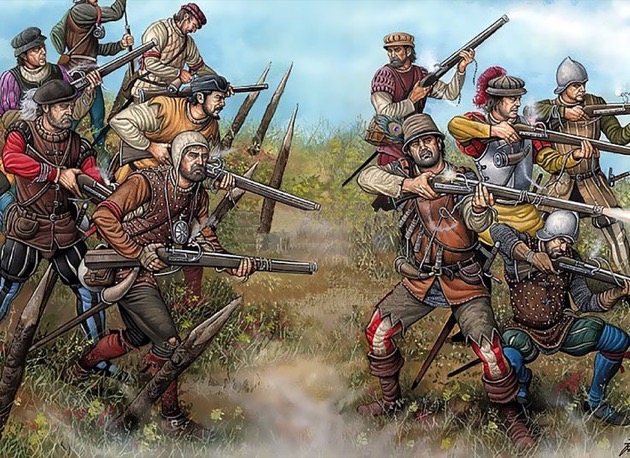
Just in the past couple of weeks I have been presented with a couple of articles that are worth exploring. Aeon published an essay by historian Catherine Fletcher, whose latest book is The Firearm Revolution: From Renaissance Italy to the European Empires.
Fletcher notes that, while there were plaintive arguments that firearms were unchivalrous and the work of the Devil, elites adopted them readily enough — and they quickly penetrated more ordinary lives.
In the context of long-running on-off war, it made sense for rulers across Italy to mobilise citizens and equip them with up-to-date weapons. Alongside requirements for militia drill went contests to incentivise the acquisition of shooting skills. Farmers found guns useful for pest control; hunters used them too. Thus, in the 1520s and beyond, more and more Italian states formalised or expanded their militia. Giovanni Moro, a Venetian official who had previously handled military supplies, proposed in 1525 the formation of a citizen militia of 12,000 men, of whom two-thirds would use firearms; these men would receive powder and lead for practice, and a contest would be held three times a year to encourage them.
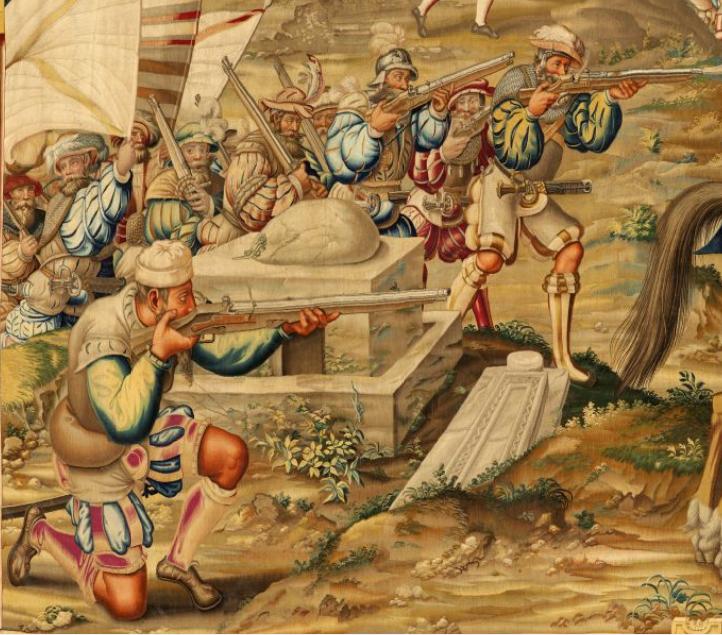
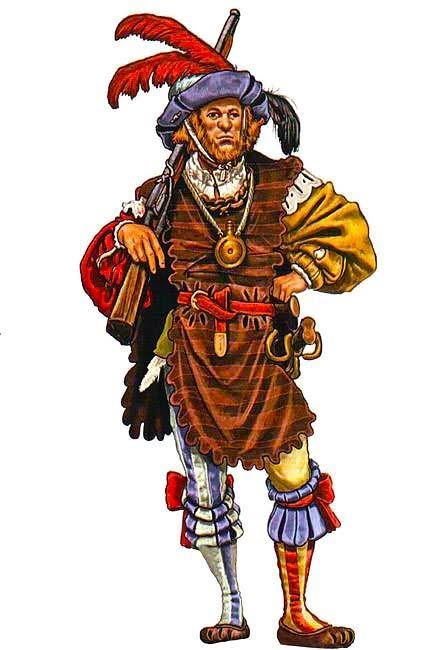
Dr. Tobias Capwell FSA, Curator of Arms and Armour for The Wallace Collection offers a paper that dismisses the notion that knights found firearms unchivalrous. In fact, he argues in A CURSED, ABOMINABLE DEVICE? The True, Shared History of Knights and Firearms, that knights were the most important advocates for their implementation, and the primary drivers of technical innovation in their design. Firearms also quickly came to be fundamental armament for professional units, including German Landskneckt mercenaries like the fellow below.
This transition period between the medieval world and the early modern epoch is incredibly rich — in art, in music, and in the darker pursuits of power, wealth and prestige.
*
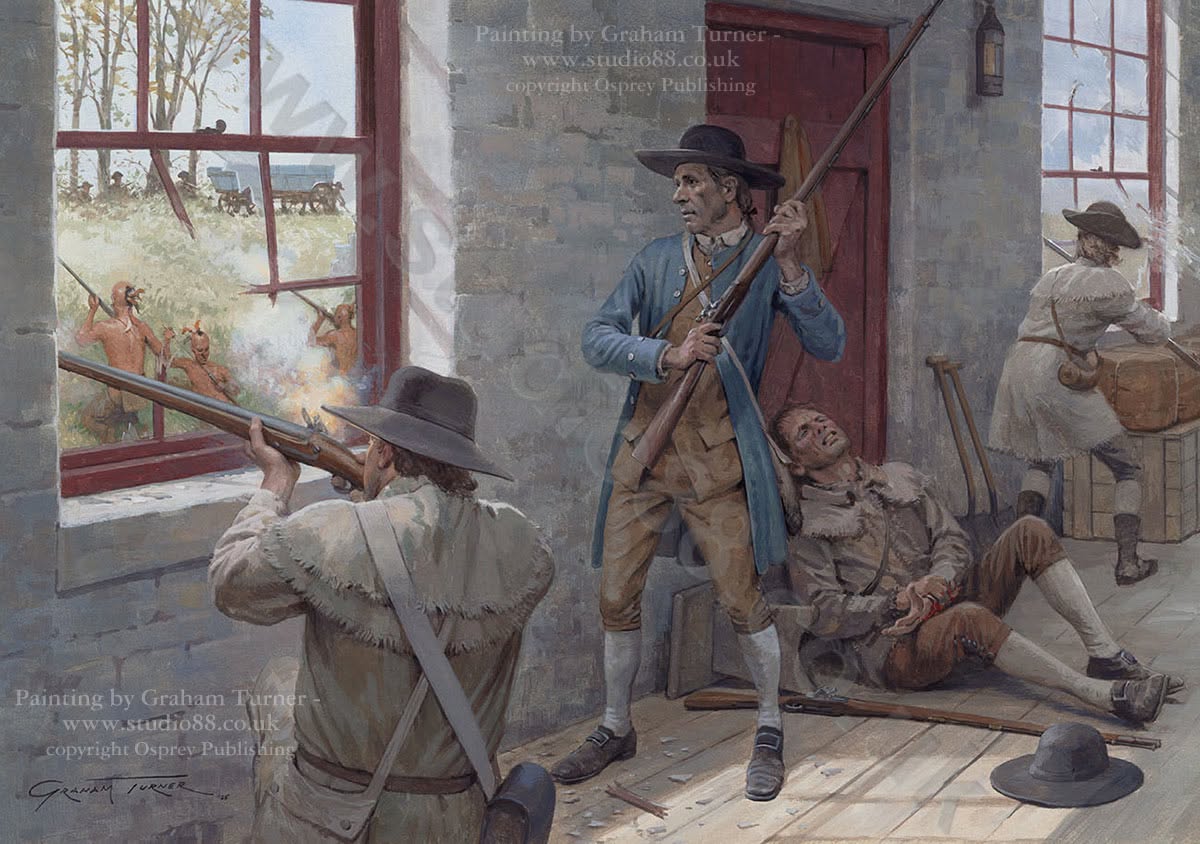
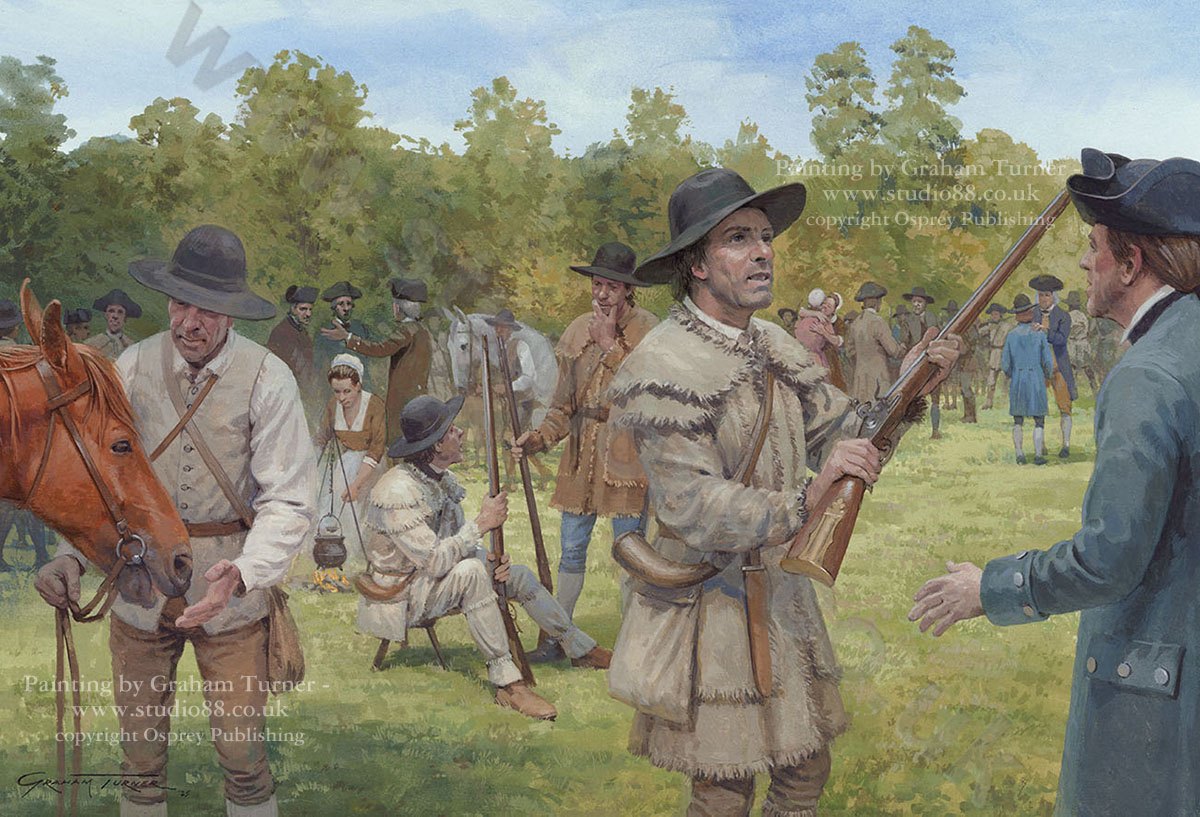
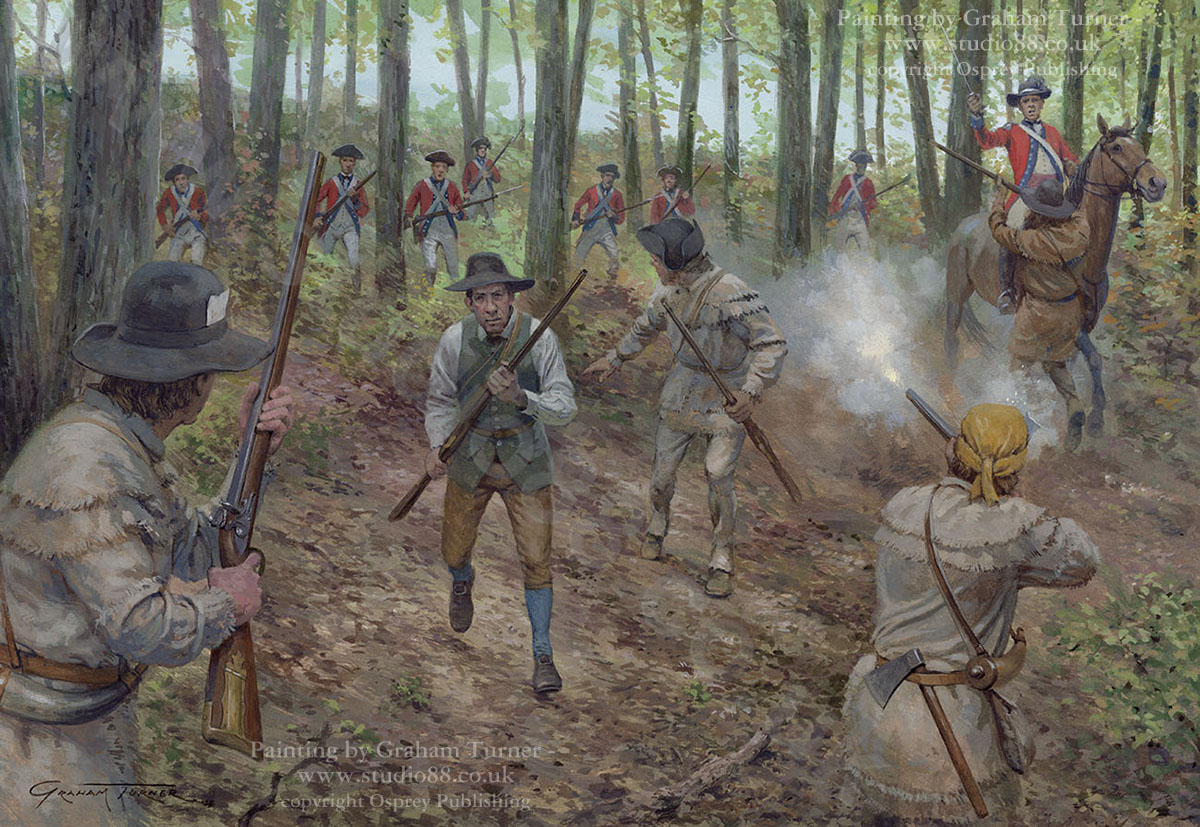
Graham Turner is an ace historical artist. He specializes in English medieval history, and his book on the Wars of The Roses is absolutely magnificent. I refrained from purchasing it because I just can’t justify dropping that many plews on a work that is well outside my historical purview. I will, however, be picking up his Osprey book on Kings Mountain. It published in April, and somehow I missed it.
His heart’s territory may be in the 15th Century, but he does just fine by the 18th…
The first image is ‘The Siege of Mackay’s Trading Post,’ depicting an episode in which Loyalist militia, supported by Cherokee and Creek warriors, fought off attacking patriot militia in a four-day fight in Augusta, Georgia.
The second image is the mustering of the Overmountain Men as they set out to hand Major Patrick Ferguson’s ass to him.
The third image is from the battle itself.
*
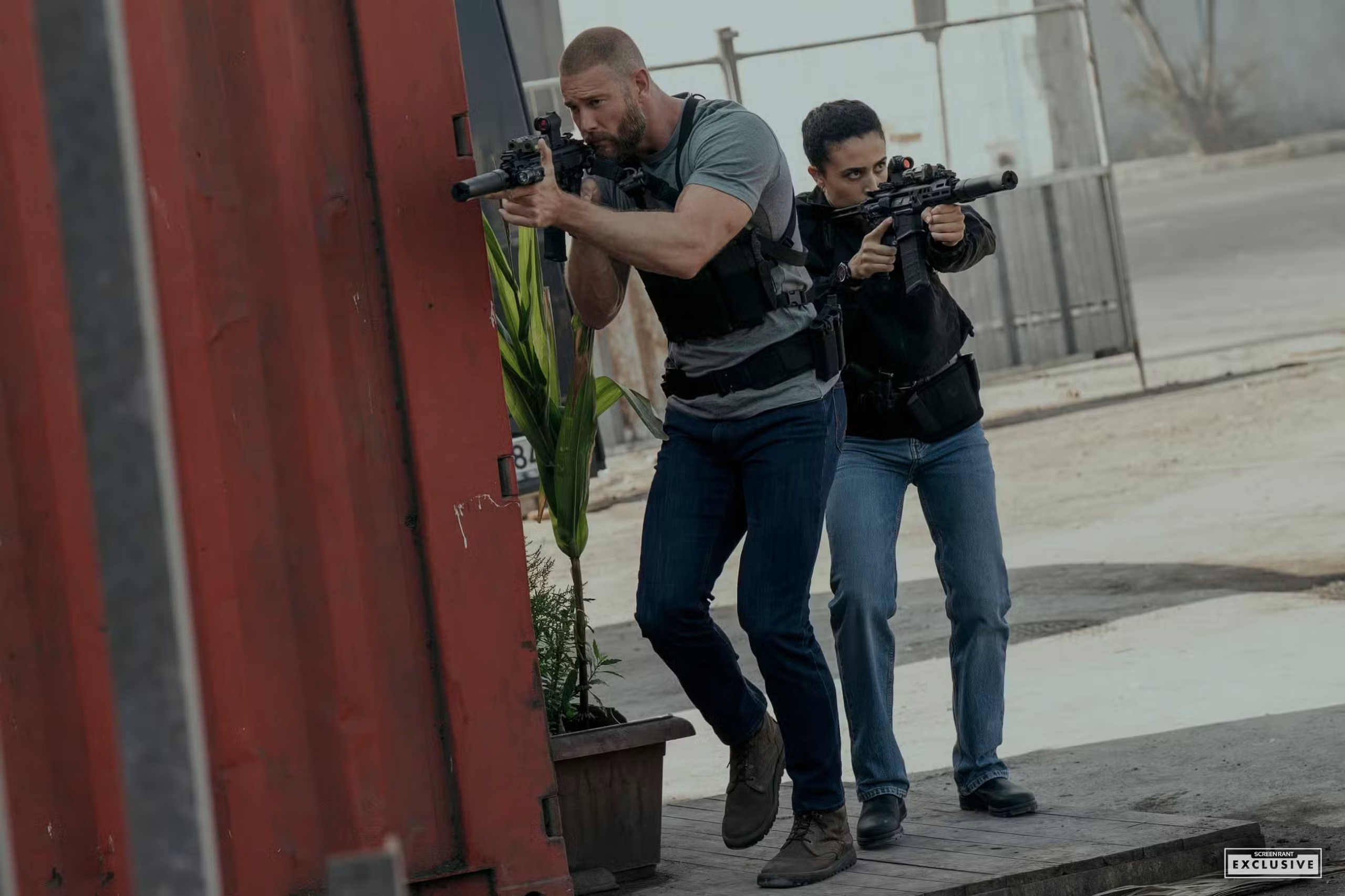
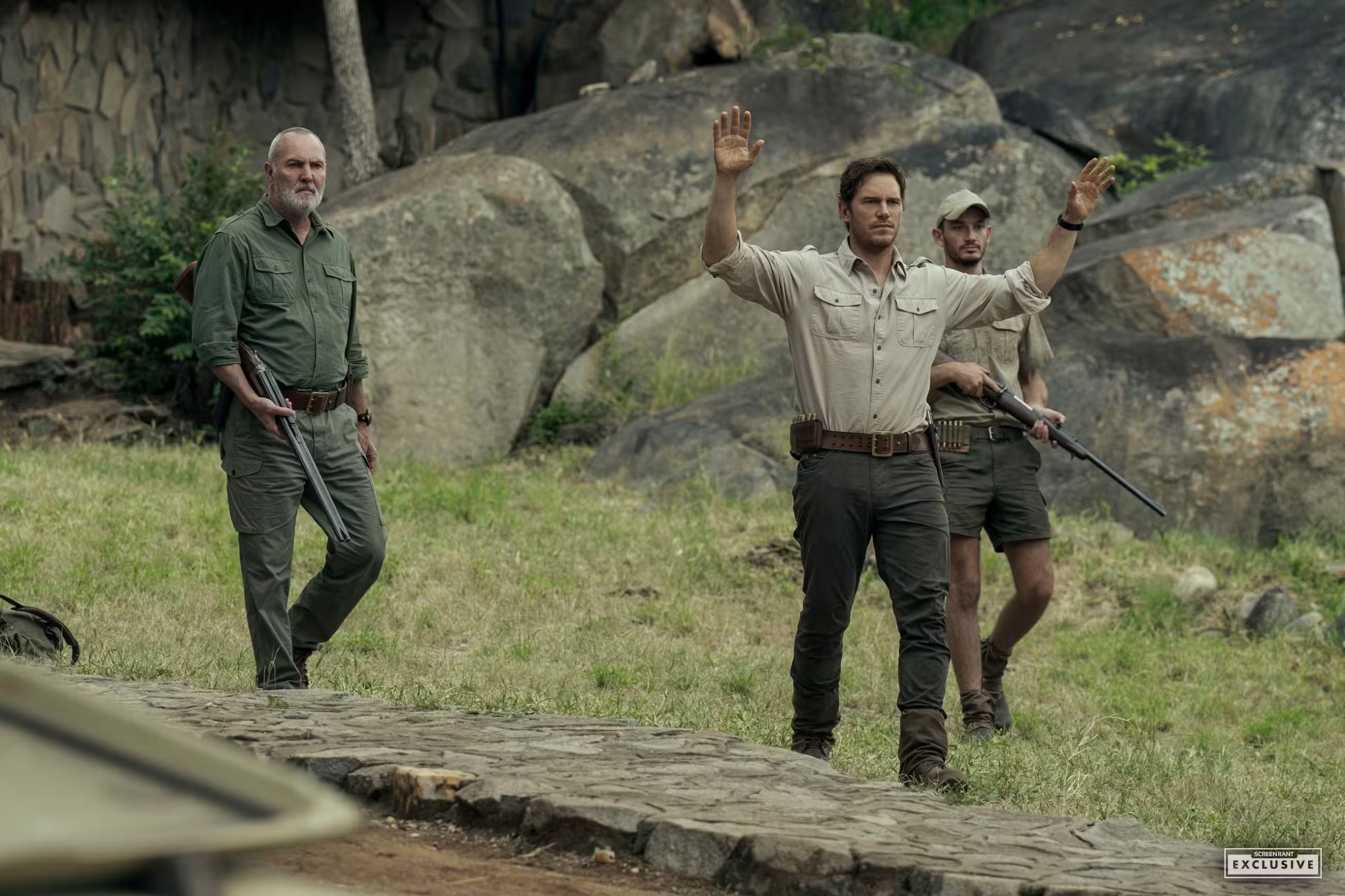
ScreenRant devoted its cover story to the coming premier of Season 2 of The Terminal List. Jack Carr’s battered, broken, yet defiant former Navy SEAL James Reece returns to the screen in a highly anticipated continuation of what has become a major action franchise. It has dropped on Amazon Prime as of October 21. Clan Cornelius will pick up that target in the next couple of days.
The article captures a major reason that the show has garnered a loyal and passionate following. There’s serious effort put into getting it right:
The Terminal List feels like more than an exercise in entertainment: it is a meticulously crafted machine, relentlessly prepared, and focused on honoring not only Carr’s novels, but the military personnel who have responded so positively to it.
This season, based on the novel True Believer, will please Frontier Partisans, being that Raife Hastings is brought into the main James Reece story. The Hastings family are Old Rhodesians — and that matters. Raife is played by Tom Hopper, who I first encountered as Billy Bones in Black Sails. He is a presence. In the books, he tends to the old school, vs. Reece’s inclination to the latest-and-greatest. You can guess which approach I find more simpatico…
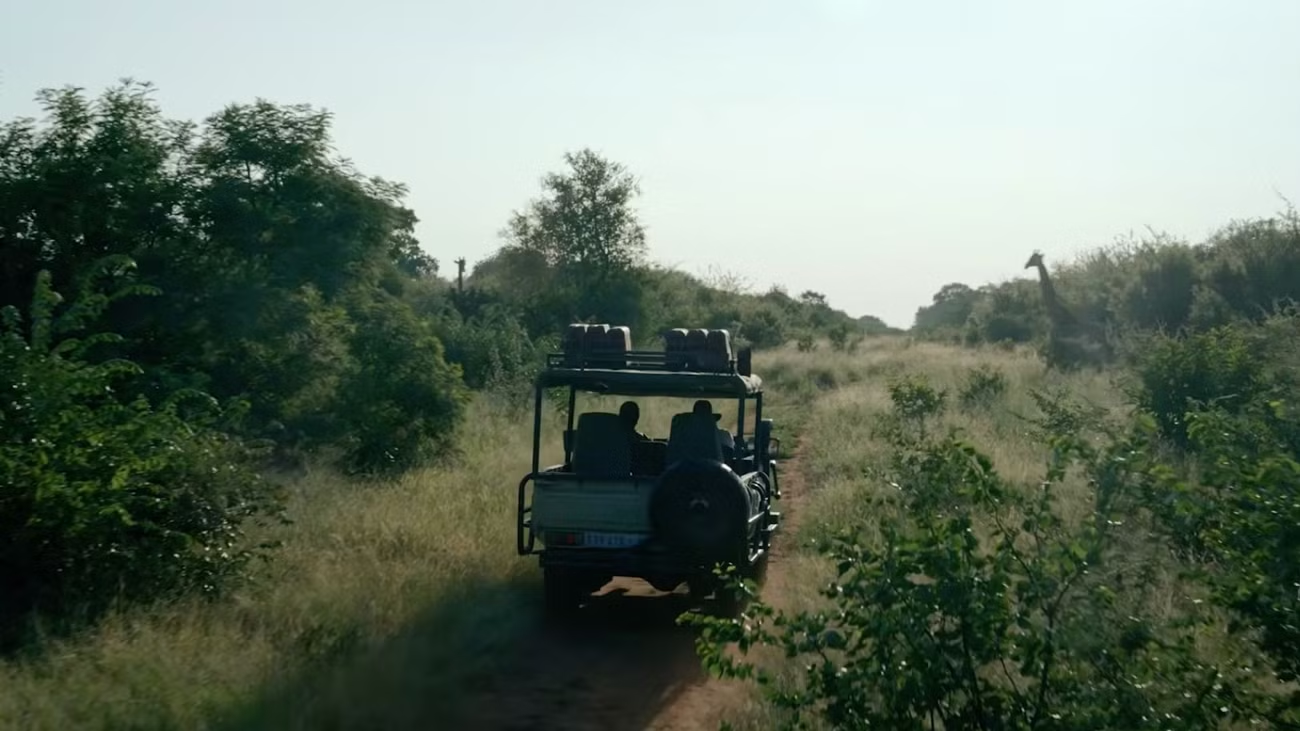
And we get us some Africa…
*
Speaking of Africa…
When I was first discovering Africa as a field of Frontier Partisan exploration, I found the work of Robert Ruark. Something of Value, his epic novel of the Mau Mau Emergency was important in building my understanding of the Continuity & Persistence of imperial bush wars across the globe — not to mention being a cracking yarn. It was Ruark who introduced me to the great hunter Harry Selby, one of the most admirable men to have ever taken the field.
A man of his mid-century era in many ways, he embodied both the virtues and the vices of the Hemingway model of the man of action/man of letters — including a dangerous thirst. He was a fine writer at his best, though his work could turn unpleasantly acidic. Alcoholism killed him early, but he left a legacy of writing on African hunting that shaped the genre and holds up to this day. This piece explores that legacy through the man’s tools.
*
The Conan the Barbarian podcast’s most recent episode has Robert E. Howard scholar Jeff Shanks and writer John C. Hocking venturing Beyond the Black River in a fine analysis of REH’s frontier Conan tale — which is a favorite of many Howardians, including your FP correspondent.
They delve into the geography of the Pictish Wilderness, which I enjoyed, and explored Conan’s (Howard’s) skepticism of the Aquilonian colonial project. They rightly note that such attitudes toward settler-colonialism are unexpected from an American pulp writer in the 1930s, especially one as steeped in frontier lore as Bob Howard. One of the reasons that REH’s work has endured is that Howard had a complex worldview and understanding of human nature. He was no triumphalist and was, in fact, skeptical of the ultimate benefits of civilization. REH was intuitively in tune with the Frontiersman’s Paradox, and it gave his yarn-spinning more depth and texture than the average pulpster could muster.

Wayne says
I admire Turner’s artistic talent, but the virgin forest on King’s Mountain looked nothing like the young trees depicted in his painting. The cover provided by the enormous old growth trees on the mountain contributed to the success of the Overmountain Men by giving them time to reload their rifles. Historical biology is too often overlooked when the past is depicted.
JimC says
Yeah, you’re right. Those trees were massive.
deuce says
Oh, the mighty, lost chestnuts of those days!
Quixotic Mainer says
The trees get a role, like the mud at Agincourt. The environment always gets a vote in battle too.
I’ve noticed that, despite it’s unassuming shape, depictions of Little Round Top rarely looks right on screen.
John M. says
I’ve recently become fascinated with the thesis that technology has driven governmental structures: In the feudal days, it took an enormous spear shaft to train and equip a knight. The peons had almost no impact on battles. With the longbow and later early firearm technology, a peon could be trained and equipped relatively cheaply to defeat knights, which in no small part led to burgher/republican-style government triumphing over feudal structures.
By the time you get to WWII, we are closer to the knight model, with the governmental structure being highly managerial (managerial democracy, fascism and communism fought it out through the 20th century) to produce things like tanks, bombers and aircraft carriers. Inconsequential places like Afghanistan could live entirely independent of the major powers, but minor powers like Italy and China had to live under the umbrella of one or the other superpower.
Now drones are changing the battlefield again. When Ukraine can successfully do a sneak drone attack on Russia’s nuclear bombers, what’s next? And what impact will it have on governmental structures?
And re Terminal List, it’s awfully refreshing to see actors using firearms like they know what they are doing. Watching 80s action movies where everybody shoots full auto from the hip is extremely eye-rolling, despite many 80s action movies’ other charms. It seems like somewhere around the time the GWOT really got rolling, somebody got in the directors’ ears and convinced them to make it look like their actors know what they are doing. Keanu kind of sets the pace, but he’s hardly all by himself out there.
JimC says
This is fertile ground for more conversation. If you haven’t read Thundersticks yet, I think you’d dig it. It deals with just this sort of thing, but in the context of native societies. Firearms really restructured whole ways of life in North America, from geopolitics to economies to personal status.
John M. says
Thanks. I added that to my wish list.
deuce says
“They delve into the geography of the Pictish Wilderness, which I enjoyed, and explored Conan’s (Howard’s) skepticism of the Aquilonian colonial project. They rightly note that such attitudes toward settler-colonialism are unexpected from an American pulp writer in the 1930s, especially one as steeped in frontier lore as Bob Howard.”
As I’ve noted before, Howard seemed to be WAY more sympathetic toward “folk imperialism” than “top-down” imperialism from the likes of the Assyrians or the British Empire. If he ever said a peep against Texan expansion at the expense of the Comanches, I don’t know about it. Despite that, he wrote a tale starring a Comanche warrior…fighting other tribes.
Conan put his life on the line again and again for Aquilonia–in several yarns–despite many chances to do otherwise. That is often ignored/forgotten.
JimC says
Folk-imperialism is a great term. Don’t be surprised to see it crop up (credited of course) in the Kaintuck podcasts…
Matthew Ilseman says
Conan is a barbarian that both protects and eventually, as king of Aquilonia, revitalizes civilization (at least temporarily.) This was always interesting to me. That the barbaric traits are necessary for the maintenance of the civilized.
JimC says
T Roosevelt would agree.
David Wrolson says
Been really busy-so that means I have quite a backlog of FP posts to read-but I very recently re-read Something of Value.
I have probably said before that that book lit the fires of Africa desire for me and it struck me just as hard this time as before.
JimC says
I really need to re-read that. It’s been a long time.